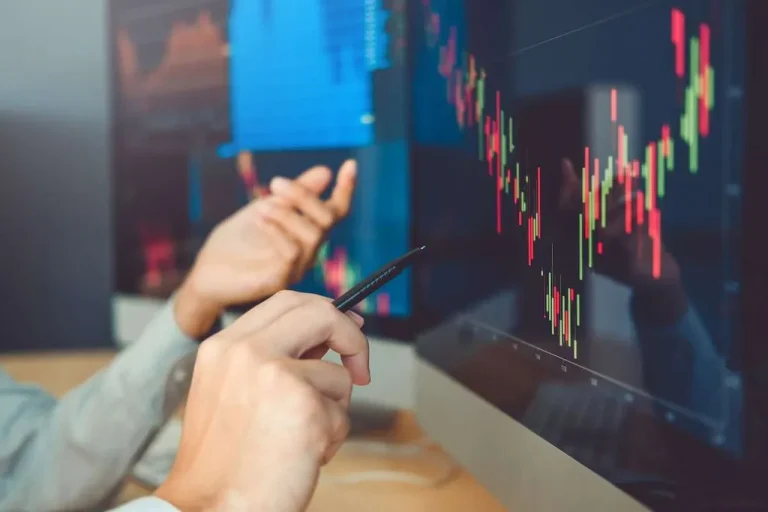
Fibonacci Trading Technique Revealed For Binance:adaperp By Appy-crypto

As seen on the chart, BTC/USDT accomplished a 50 % Fibonacci retracement and closed a Doji candle above the 50 p.c ratio, indicating that sellers are running out of choices. BTC/USDT then closed a bullish engulfing candle, triggering a sharp uptrend. The length of an uptrend can be forecasted with the help of the Fibonacci extensions device.

fibonacci trading strategy cryptocurrency

How To Use The Fibonacci Retracement Tool?

For those fascinated, I would suggest you search on the internet for golden ratio examples, and you’ll be pleasantly stunned. Further into the ratio properties, one can discover https://www.xcritical.com/ outstanding consistency when a number is in the Fibonacci series is split by its instant succeeding number. You can do it instantly from the JForex platform utilizing the trading panel or by right-clicking on the chart to position your order. This makes the transition from evaluation to execution seamless, helping you take benefit of trading alternatives as they arise. This will assist you to decide whether to search for buy or sell alternatives. In an uptrend, you’re generally looking for a place to buy, whereas in a downtrend, you’re more targeted on selling opportunities.

618 Fibonacci Retracement

For instance, during a Bitcoin bull run, merchants might look to purchase on the 38.2% or 61.8% retracement levels exchange crypto fiat, creating natural assist zones at these prices. The golden ratio, particularly the 61.8% Fibonacci level, is a key number in both nature and monetary markets. In trading, this stage often acts as a powerful support or resistance point.

Why Do Traders Use Fibonacci Retracements?

fibonacci trading strategy cryptocurrency

By plotting the Fibonacci retracement levels, the dealer can determine these retracement ranges, and subsequently place himself for a chance to enter the trade. Nonetheless please notice like any indicator, use the Fibonacci retracement as a affirmation device. Simply flip the tool, and draw from high to low as a substitute of low to excessive. Watch for a value retracement up to resistance, then search for potential development reversals. Fibonacci retracement ranges give construction to unstable markets.

Step 3) Use the Fibonacci retracement device to connect the trough and the peak https://old.tuneuphosting.com/what-is-insurance/. Here is another instance where the chart has rallied from Rs.288 to Rs.338. The stock retraced again 38.2% to Rs.319 before resuming its up move.

  • If the market is trending upwards, you’re likely on the lookout for purchase opportunities.
  • For example, if the stock has run up from Rs.50 to Rs.100, it’s more probably to retrace again to probably Rs.70 before shifting Rs.a hundred and twenty.
  • Fibonacci ranges ought to therefore be used alongside different types of technical affirmation rather than in isolation.
  • Affirm that a pattern exists before making use of Fibonacci levels; if not, other strategies could provide higher insight.
  • First, there is no method to know which exact Fibonacci extension level will present resistance.

If a worth breaks via a key Fibonacci stage, it may Cryptocurrency point out a powerful development continuation. Stop-loss orders may be positioned just under the damaged degree to handle danger. The Fibonacci retracement indicator helps establish potential areas of support or resistance throughout a market pullback.

fibonacci trading strategy cryptocurrency

How Fibonacci Retracement Ranges Work

Fibonacci retracement is a simple technical analysis tool, straightforward to access and apply on most buying and selling platforms. Its primary energy is versatility, as it can be used across a quantity of markets, together with forex, equities, and cryptocurrencies. It offers a structured framework for identifying potential assist and resistance zones, which can help in planning trade entries and exits. Use the Fibonacci retracement indicator to identify potential response zones.

Zcash faces uncertainty as developer exits set off price drops and moral issues come up. As the sequence progresses, the ratio between consecutive numbers approaches roughly 1.618, known as the “golden ratio” aka “phi”. Forex buying and selling entails vital risk of loss and is not suitable for all investors. Value then reversed as sellers jumped back in, and brought value all the finest way again all the means down to the Swing Low.

Why Monero Wallets Matter: A Practical Look at Truly Private Crypto

Whoa! I remember thinking privacy in crypto was mostly marketing fluff. At first glance, Bitcoin and its cousins felt like magic — public ledgers, visible transactions, neat provenance. Then something felt off about that shine. My instinct said: if value is transferable, privacy will get trampled unless it’s designed in from the ground up. So I dug in. Turns out the difference between “private-ish” and “private” is not subtle; it’s architectural, and it changes how you hold, move, and even think about money in the digital age.

Seriously? Yes. Monero isn’t just another altcoin with a privacy toggle. It was built around untraceability. That design shows up in three core primitives — ring signatures, stealth addresses, and RingCT — which together obscure sender, receiver, and amounts. These are technical, but the user takeaway is simple: your transaction trails are not publicly linkable the way they are on Bitcoin. On the other hand, that protection comes with trade-offs — usability, regulatory friction, and sometimes slower tooling. I’m biased, but I think those trade-offs are worth debating rather than dismissing. Initially I thought the privacy coin argument would be academic, but then I realized the real-world stakes are everywhere: medical bills, political donations, salary privacy — things that actually matter to people.

A close-up of a hardware wallet and a coffee cup on a wooden table

How Monero wallets protect privacy (without getting too technical)

Okay, so check this out — when you open a Monero wallet the software creates stealth addresses. They look like gibberish on the blockchain, and each receive address is used just once. Hmm… that simple change denies casual linkage. Then ring signatures shuffle your transaction inputs with decoys, so identifying the real sender within a group is computationally hard. RingCT hides the amounts, so on-chain observers cannot see how much moved. Put together, these features make Monero transactions unlinkable in ways that are meaningful for users who need genuine privacy. On one hand, that means your purchases or transfers aren’t a public record; on the other hand, it makes regulatory and compliance conversations messier.

Let me be blunt: the tech is elegant but not magical. Privacy is a system property, not a single setting. If you reuse addresses, log into exchanges with the same identity tied to on-chain patterns, or leak information off-chain, your privacy can still be compromised. In other words, wallets help a lot, but they’re part of a user’s broader operational security — a phrase that sounds nerdy, but basically means “how you behave matters.” My working rule: if you treat a privacy coin like cash, you’re halfway there. Treat it like a public bank account and expect leaks.

Wallet types and what they mean for your privacy

There are several wallet flavors, each with different practical privacy implications. Full-node wallets are the gold standard for privacy because they validate their own copy of the blockchain and don’t need to ask anyone for transaction data. They’re also heavier to run — disk space, bandwidth, and a bit of patience. Remote or light wallets let you access Monero without hosting the entire ledger; they’re convenient. However, they require trusting a node operator with some metadata about your activity. That’s not inherently nefarious… but it is a privacy compromise. So pick based on threat model. If you want maximum privacy and control, run a full node. If convenience matters more, be conscious of the metadata trade-offs.

Hardware wallets add a layer of safety by keeping your seed offline, which defends against theft even if your computer is compromised. But hardware alone doesn’t fix poor OPSEC — if you publish transaction details or reuse accounts on KYC exchanges, the gains shrink. I tell people: use a hardware wallet, run a node if you can, and keep a small mental checklist before you transact. It’s not hard. It’s habits.

Practical tips — the user checklist

Here’s what I actually do and recommend. First, verify your wallet software. Download from official sources and check signatures where provided. Second, back up your seed in multiple, secure places — paper or a hardware backup, not a plaintext file on a cloud drive. Third, limit address reuse and separate funds by purpose when practical. Fourth, prefer hardware wallets for larger balances. Fifth, understand that network privacy and endpoint privacy are different beasts — a VPN doesn’t fix metadata leaks from a compromised machine. I’m not 100% sure this list is exhaustive, but it’s a strong start.

Also: keep software up to date. Sounds boring. But updates often patch both security bugs and privacy regressions. That said, be mindful of official vs. forked releases — community vetting matters. And yeah, some folks hate centralized exchanges; fine. But if you’re using them, expect KYC requirements and limited privacy. Your behavior there will affect how private your holdings remain on-chain.

Legal and ethical considerations

Look — privacy isn’t synonymous with illegality. We value privacy in many parts of life: health records, voting, personal communications. That principle extends to money. Yet regulators worry about misuse, and some exchanges restrict privacy coins for that reason. On one hand, that tension is predictable. On the other hand, blanket bans or bans without nuance create harms for ordinary users who need confidentiality for legitimate reasons. I’m not advocating lawlessness. What I am saying is that privacy-aware tools deserve a place in the conversation, and responsible users should know the legal landscape in their jurisdiction before acting.

Something else: being privacy-conscious means being responsible. Avoid enabling or assisting criminal activity. If you run a service, implement sensible compliance policies that respect user privacy while following applicable laws. There are practical models that balance both, though they require effort and — frankly — some patience from regulators and technologists alike.

FAQ

Is Monero really untraceable?

Short answer: Monero is designed to be unlinkable and untraceable in most practical scenarios. Longer answer: its privacy features — ring signatures, stealth addresses, and RingCT — hide the common on-chain linkages that make Bitcoin traceable. However, absolute anonymity depends on user behavior and external data. For strong privacy, use best practices: avoid address reuse, run your own node when possible, verify software, and separate activities that could deanonymize you off-chain. Also, be aware of local laws and exchange policies.

Should I run a full node or use a light wallet?

Running a full node gives you the best privacy and sovereignty. It removes the need to trust external nodes and reduces metadata exposure. Light wallets are fine for convenience, but they trade some privacy for ease of use. If you care deeply about privacy, aim for a full-node wallet and combine it with a hardware wallet for the best practical setup.

Okay, final thought — I’m biased, but privacy is not optional for the future of money. It’s a civil good, and technical choices we make now echo for years. That said, privacy tech is imperfect, sociopolitical context matters, and user behavior often beats protocol design when it comes to real-world outcomes. If you want to explore Monero further, start with official resources and trusted community channels. Check out monero for wallet options and documentation. Somethin’ to chew on: privacy protects the powerless as much as it empowers the tech-savvy — keep that in mind as you choose tools and habits.

Κυνηγώντας Μπόνους: Η Στρατηγική “Bonus Hunt” στα Online Καζίνο

Ο κόσμος των online καζίνο στην Ελλάδα εξελίσσεται συνεχώς, προσφέροντας νέες ευκαιρίες και στρατηγικές για τους παίκτες. Μία από τις πιο ενδιαφέρουσες και δημοφιλείς τακτικές είναι το λεγόμενο “Bonus Hunt” (κυνήγι μπόνους). Αυτή η προσέγγιση επικεντρώνεται στην εκμετάλλευση των χαρακτηριστικών μπόνους των κουλοχέρηδων, με στόχο τη μεγιστοποίηση των πιθανοτήτων κέρδους. Απευθύνεται κυρίως σε παίκτες που αναζητούν μια πιο στρατηγική και λιγότερο τυχαία προσέγγιση στο παιχνίδι.

Η ιδέα πίσω από το “Bonus Hunt” είναι απλή: αντί να παίζετε σε έναν κουλοχέρη για μεγάλο χρονικό διάστημα, ελπίζοντας να ενεργοποιήσετε τα χαρακτηριστικά μπόνους, η στρατηγική αυτή περιλαμβάνει το άνοιγμα πολλών κουλοχέρηδων και τη συλλογή των μπόνους χαρακτηριστικών τους. Στη συνέχεια, τα μπόνους αυτά παίζονται όλα μαζί, αυξάνοντας τις πιθανότητες για σημαντικά κέρδη. Αυτό απαιτεί υπομονή, στρατηγική και μια καλή κατανόηση των κουλοχέρηδων και των μηχανισμών τους. Μπορείτε να δοκιμάσετε αυτή τη στρατηγική σε ένα αξιόπιστο online καζίνο, όπως το fonbet casino.

Αυτή η προσέγγιση μπορεί να είναι ιδιαίτερα ελκυστική για αρχάριους, καθώς προσφέρει μια δομημένη μέθοδο παιχνιδιού, μειώνοντας την αίσθηση της αβεβαιότητας που συχνά συνοδεύει τα τυχερά παιχνίδια. Επιπλέον, το “Bonus Hunt” μπορεί να προσφέρει μια πιο συναρπαστική εμπειρία, καθώς οι παίκτες παρακολουθούν την πρόοδο τους σε πολλούς κουλοχέρηδες ταυτόχρονα.

Τι είναι το “Bonus Hunt”;

Το “Bonus Hunt” είναι μια στρατηγική που χρησιμοποιείται από παίκτες online καζίνο για να μεγιστοποιήσουν τις πιθανότητες κέρδους τους, επικεντρώνοντας την προσοχή τους στα χαρακτηριστικά μπόνους των κουλοχέρηδων. Η βασική ιδέα είναι να παίξετε σε πολλούς κουλοχέρηδες, συλλέγοντας τα μπόνους χαρακτηριστικά τους (όπως δωρεάν περιστροφές ή μπόνους παιχνίδια) χωρίς να τα ενεργοποιήσετε άμεσα. Αφού συγκεντρωθούν αρκετά μπόνους, τα ενεργοποιείτε όλα μαζί, ελπίζοντας σε σημαντικά κέρδη.

Πώς Λειτουργεί το “Bonus Hunt”;

Η διαδικασία του “Bonus Hunt” περιλαμβάνει τα εξής βήματα:

  • Έρευνα: Επιλέξτε κουλοχέρηδες με ελκυστικά μπόνους χαρακτηριστικά και υψηλό RTP (Return to Player).
  • Παιχνίδι: Παίξτε σε πολλούς κουλοχέρηδες με μικρά πονταρίσματα, με στόχο να ενεργοποιήσετε τα μπόνους χαρακτηριστικά.
  • Συλλογή: Καταγράψτε πόσα μπόνους έχετε συλλέξει σε κάθε κουλοχέρη.
  • Ενεργοποίηση: Όταν έχετε αρκετά μπόνους, αυξήστε το ποντάρισμα και ενεργοποιήστε τα όλα μαζί.

Επιλογή Κουλοχέρηδων: Τι να Προσέξετε

Η επιλογή των κουλοχέρηδων είναι κρίσιμη για την επιτυχία του “Bonus Hunt”. Δώστε προσοχή στα εξής:

  • RTP (Return to Player): Επιλέξτε κουλοχέρηδες με υψηλό RTP, καθώς αυτό υποδεικνύει υψηλότερες πιθανότητες κέρδους μακροπρόθεσμα.
  • Ευμετάβλητοτητα (Volatility): Η ευμετάβλητοτητα καθορίζει το ρίσκο και την πιθανή ανταμοιβή. Οι κουλοχέρηδες με υψηλή ευμετάβλητοτητα προσφέρουν μεγαλύτερα κέρδη, αλλά με λιγότερη συχνότητα.
  • Μπόνους Χαρακτηριστικά: Εξετάστε τα μπόνους χαρακτηριστικά, όπως δωρεάν περιστροφές, πολλαπλασιαστές και μπόνους παιχνίδια.
  • Δημοτικότητα: Ερευνήστε την δημοτικότητα του κουλοχέρη και διαβάστε κριτικές από άλλους παίκτες.

Παράδειγμα Κουλοχέρηδων

Υπάρχουν πολλοί κουλοχέρηδες που είναι κατάλληλοι για “Bonus Hunt”. Μερικά παραδείγματα περιλαμβάνουν κουλοχέρηδες με δωρεάν περιστροφές, πολλαπλασιαστές και άλλα συναρπαστικά χαρακτηριστικά μπόνους.

Διαχείριση Κεφαλαίου

Η διαχείριση του κεφαλαίου είναι ζωτικής σημασίας για την επιτυχία του “Bonus Hunt”. Ορίστε ένα budget πριν ξεκινήσετε και τηρήστε το αυστηρά. Μην ποντάρετε ποτέ περισσότερα από όσα μπορείτε να αντέξετε να χάσετε. Διαχωρίστε το κεφάλαιο σας για κάθε κουλοχέρη και προσαρμόστε το ποντάρισμα σας ανάλογα με το budget σας.

Πλεονεκτήματα και Μειονεκτήματα

Όπως κάθε στρατηγική, το “Bonus Hunt” έχει πλεονεκτήματα και μειονεκτήματα:

Πλεονεκτήματα

  • Αυξημένες πιθανότητες κέρδους: Η συγκέντρωση μπόνους αυξάνει τις πιθανότητες για σημαντικά κέρδη.
  • Ενδιαφέρον: Προσφέρει μια πιο συναρπαστική και στρατηγική εμπειρία παιχνιδιού.
  • Έλεγχος: Δίνει στους παίκτες μια αίσθηση ελέγχου πάνω στο παιχνίδι.

Μειονεκτήματα

  • Απαιτεί χρόνο: Η συλλογή μπόνους μπορεί να είναι χρονοβόρα.
  • Ρίσκο: Υπάρχει πάντα ο κίνδυνος απώλειας χρημάτων.
  • Απαιτεί υπομονή: Απαιτεί υπομονή και πειθαρχία.

Νομικό Πλαίσιο και Κανονισμοί στην Ελλάδα

Στην Ελλάδα, τα online καζίνο υπόκεινται σε αυστηρούς κανονισμούς από την ΕΕΕΠ (Επιτροπή Εποπτείας και Ελέγχου Παιγνίων). Είναι σημαντικό να επιλέγετε αδειοδοτημένα καζίνο που λειτουργούν νόμιμα και προσφέρουν ασφαλές και δίκαιο παιχνίδι. Ενημερωθείτε για τους όρους και τις προϋποθέσεις των μπόνους πριν ξεκινήσετε το “Bonus Hunt”.

Συνοψίζοντας

Το “Bonus Hunt” είναι μια ενδιαφέρουσα στρατηγική για τους παίκτες online καζίνο που επιθυμούν να μεγιστοποιήσουν τις πιθανότητες κέρδους τους. Απαιτεί έρευνα, υπομονή και στρατηγική. Παρόλο που δεν εγγυάται κέρδη, μπορεί να προσφέρει μια πιο συναρπαστική και ελεγχόμενη εμπειρία παιχνιδιού. Θυμηθείτε να παίζετε πάντα υπεύθυνα και να διαχειρίζεστε το κεφάλαιό σας με σύνεση. Απολαύστε το παιχνίδι και καλή τύχη!

Hogyan készíts kaszinó stratégiát a nyerés érdekében?

Hogyan készíts kaszinó stratégiát a nyerés érdekében?

A kaszinó világában a sikeres játék nem pusztán szerencse kérdése, hanem jól átgondolt stratégia eredménye is lehet. A megfelelő kaszinó stratégia kialakítása segít abban, hogy minimalizáld a veszteségeket és növeld a nyerési esélyeket. Fontos megérteni az egyes játékok szabályait és valószínűségeit, valamint tudatosan kezelni a tőkédet. Egy jól felépített terv lehetőséget ad arra, hogy felelősségteljesen és okosan játssz, elkerülve az impulzív döntéseket.

Az általános kaszinó stratégiák közé tartozik a bankroll menedzsment, amely azt jelenti, hogy előre meghatározod, mennyi pénzt szánsz a játékra, és soha nem léped túl ezt a határt. Emellett érdemes megismerni az egyes játékok optimális taktikáit, például a blackjack esetén a kártyaszámlálás alapjait, vagy a rulettnél a fogadási rendszerek különböző típusait. A stratégiád kialakításakor mindig tartsd szem előtt, hogy a kaszinó játékok alapvetően a ház előnyére épülnek, így a cél a veszteségek minimalizálása és a szórakozás fenntartása.

Az iGaming iparág egyik kiemelkedő személyisége, az innovátor és szakértő Ryan Ferguson számos sikeres projektet vezetett, amelyek hozzájárultak a játékosok tájékoztatásához és a játékélmény fejlesztéséhez. Ferguson a szakmában szerzett tapasztalatait gyakran osztja meg közösségi médiában, ezzel is segítve a játékosokat a tudatos döntéshozatalban. A kaszinó iparág jelenlegi trendjeiről és változásairól bővebben olvashatunk a The New York Times legfrissebb cikkében, amely részletes elemzést nyújt az online szerencsejáték növekedéséről és szabályozásáról. Ha szeretnél még többet megtudni a témáról, érdemes meglátogatni a kaszino online oldalát, ahol hasznos tippeket és stratégiákat találhatsz.

What is Cash Control? with pictures

What is Cash Control

By understanding net cash, businesses can effectively manage their cash resources, make informed investment decisions, and ensure financial stability. Cash control is a critical aspect of any business, cash control regardless of its size or industry. Effective cash control ensures that a company has a clear understanding of its financial position, reduces the risk of fraud or theft, and allows for better planning and decision-making.

What is Cash Control

Empowering Financial Stability Through Effective Cash ControlOriginal Blog

By automating cash handling and tracking, POS systems reduce the risk of human error and theft. For example, a restaurant using a POS system can easily track cash sales, manage inventory, and reconcile cash Statement of Comprehensive Income at the end of the day, all in one centralized platform. To overcome the limitations of manual forecasting, many businesses are turning to automated cash flow forecasting tools.

What is Cash Control

What Is Cash Flow from Operating Activities? Explained with Example

  • In this article, we will tell you everything about the subject and its relationship with cash flow, as well as good practices for implementing it efficiently in your company.
  • Combinations or keys to safes and other storage facilities should be restricted to the custodian of the cash and a designated backup.
  • In today’s fast-paced business environment, organizations are constantly seeking ways to streamline their operations and maximize efficiency.
  • The Statement of Cash Flows is a financial statement that shows the beginning and ending cash balance and the inflows and outflows of cash by category, with some added disclosures.
  • Secure storage refers to both the storage of cash and the records or supporting documents.

These controls ensure well-intentioned employees won’t accidentally misrepresent cash flow and that bad actors can’t fly under the radar while committing cash fraud. Cash control is a process that is used to verify the complete nature and accurate recording of all cash that is received, as well as any cash disbursements that take place. As a broad principle of responsible financial accounting, this process takes place in unearned revenue any environment where goods and services are bought and sold. As such, businesses, non-profit organizations and households all employ its basic tenets.

What is Cash Control

Management

Cash management systems come with various role-based controls that can help you maintain the security of your business. Shareholders can receive parts of this amount if the business performs well. To calculate free cash flow to equity, take the cash income from business activities and deduct capital expenses from it.

Types of cash management systems

What is Cash Control

By segregating duties across multiple employees, you prevent any one employee from having absolute control over cash. This means multiple eyes on your cash activity, minimizing the chances of error, theft, or misuse. No single employee should be solely responsible for the approval, handling, and recording of cash transactions.

What is Cash Control

Use technology for cash flow forecasting

  • For credit purchases, the control account is often referred to as the purchase ledger or purchase ledger control account (PLCA).
  • These systems not only facilitate cash transactions but also provide a record of each transaction, making it easier to track and reconcile cash.
  • As a result, they are able to build their businesses more quickly and efficiently, and with less overhead.
  • One person lists the amount of cash and checks received by date, check number, and amount, with the total amount received for the day on a bank deposit slip or cash control sheet.

Sometimes, these bills are untraceable, which causes unwanted errors in the bookkeeping process. New customers need a payment history with your business and may become slow-paying clients. Many companies perform a credit check before doing business with a new customer to avoid this issue.

Data protection compliance: Law firm vs outsourced DPO services

outsourced law firm bookkeeping service

Law firm or lawyer accounting services require specialized knowledge to handle unique aspects like trust fund accounting, case-related billing, and managing client retainers. These specific needs demand expertise in legal, and financial management, unlike general accounting, which focuses on standard bookkeeping, invoicing, and payroll. Global companies increasingly outsource accounting to South Korea to manage regulatory risk while maintaining high operational standards. As enforcement of labour laws in South Korea and payroll compliance tightens, CFOs prioritize jurisdictions where finance operations can withstand audits and inspections. In 2026, outsourcing accounting to Singapore goes far beyond delegating bookkeeping or transactional finance tasks. It involves designing a finance operating model that aligns with Singapore’s employment laws, tax regulations, and audit expectations.

  • Many outsourcing strategies fail because they underestimate employment and regulatory exposure.
  • This model allows you to tap into a global talent pool, finding the right skills for the right roles, whether you need a bookkeeper, a tax specialist, or an auditor.
  • It’s about leveraging expert support so you can operate at your highest and best use.
  • An offshore partner provides a flexible talent pipeline that can expand with your ambitions, ensuring you always have the right level of support.
  • 4L also helps law firms devote maximum resources to real lawyering by assuming responsibility for major back office operations.

Q: Why is trust accounting so important for law firms?

Our approach includes monitoring cash flow, trust ledger reconciliations, and ensuring adherence to strict reporting guidelines. Law firms often deal with retainer fees, disbursements, and expense law firm bookkeeping reimbursements, which must be accurately tracked and allocated per case. We implement custom solutions for tracking billable hours, client invoicing, and cost allocation ensuring that firms can efficiently bill clients while maintaining financial transparency.

What Does Outsourcing Accounting to the Philippines Really Mean in 2026?

  • An outsource accounting firm can transform your business in ways that go beyond just bookkeeping.
  • An outsourced financial team is built to handle this increased workload from day one.
  • It’s not just about delegating tasks; it’s about strategically redirecting your energy toward what truly drives growth for your firm.
  • External teams follow proven methods, which reduces rework and improves data accuracy.
  • This allows you to build a more dynamic and capable team that can handle any client request that comes your way.

Business owners can review revenue, expenses, and profit margins without long waiting periods. During tax season or year-end closing, Outsourced CPA solutions prevent workload pressure. South Korea’s time zone supports efficient coordination across Asia-Pacific markets. Payroll compliance is becoming more operationally demanding, especially with changes such as payday superannuation.

Is legal process outsourcing right for your law firm?

outsourced law firm bookkeeping service

When paired with an Employer of Record (EOR) model, outsourcing accounting to the UAE enables compliant, scalable finance operations without establishing a local entity. Orion is proud to partner with 4L Managed Accounting, which provides our clients with outsourced accounting services. 4L is committed to making law firms more efficient, more productive, easier to manage and increasingly more profitable. 4L also helps law firms devote maximum resources to real lawyering by assuming responsibility for major back office operations.

What Does Outsourcing Accounting to France Really Mean in 2026?

outsourced law firm bookkeeping service

Accounting teams in Singapore often handle payroll-adjacent activities, statutory filings, and sensitive financial data, increasing employer accountability. For CFOs and finance leaders expanding across Asia-Pacific, Singapore offers regulatory clarity, strong institutions, and a highly skilled finance workforce. When paired with an Employer of Record (EOR) model, outsourcing accounting to Singapore enables compliant, scalable finance operations without establishing a local entity. In 2026, outsourcing accounting to France goes far beyond delegating bookkeeping or transactional finance work. It involves designing a finance operating model that aligns with French labour law, payroll requirements, and statutory reporting obligations.

  • An outsourced team can easily adjust to handle an increased volume of work, giving you flexibility without the commitment of a new hire.
  • Law firm or lawyer accounting services require specialized knowledge to handle unique aspects like trust fund accounting, case-related billing, and managing client retainers.
  • South Korea offers deep accounting expertise, strong work discipline, and a predictable regulatory framework—making it attractive for long-term finance operations in Asia.
  • This means following internal controls, adhering to close calendars, and producing audit-ready outputs rather than simply executing tasks.
  • Outsourced law firm accounting services come with an experienced team of experts who are up to date with the latest regulations and compliance requirements.
  • The solution enabled real-time fraud scoring, faster resolution of genuine claims and enhanced customer experience.

You want a partner who rigorously screens for technical skills, communication abilities, and professional experience, so you only meet with top-tier candidates. Clear communication and a defined support system are also essential for a smooth working relationship. When you start your search, you’ll find many providers promising the world.

outsourced law firm bookkeeping service

outsourced law firm bookkeeping service

Look for providers who adhere to the highest data security standards, such as SOC 2 or ISO compliance. A professional partner will have strict access controls, data encryption, and regular security audits in place to ensure your firm’s and your clients’ information is always protected. In the world of accounting, accuracy isn’t just a goal—it’s a requirement. Even small errors can lead to significant financial consequences and damage your firm’s reputation. Outsourced accounting professionals are dedicated to maintaining meticulous records and ensuring every detail is correct.

outsourced law firm bookkeeping service

Benefits Of Faster Turnaround Times Through CPA Outsourcing Services

Do you want to learn 10 tips for law firm success by tracking revenue and expenses, click here. When it comes to our record-keeping, the handling of our Trust account was and continues to be most important. Now that we work with Lescault and Walderman, they are responsive to our needs. We provide interactive financial dashboards and key performance indicators tailored to your firm’s unique needs. At Elevar, we’re financial partners who help businesses of all shapes and sizes to make ends meet and expand without roadblocks.

Why Liquidity Pools, Volume, and Tracking Are the DeFi Trinity You Actually Need

Whoa! I got pulled into this because I kept seeing weird price spikes. My instinct said there was more under the hood than just a flashy listing. Initially I thought sudden token pumps were mostly bot-driven, but then I realized that shallow liquidity pools and low trading volume amplify tiny trades into whipsaws. Okay, so check this out—this isn’t theoretical; it happened to me on a Sunday afternoon and yeah, it hurt my ego (and my position).

Really? That sounds dramatic. But seriously, liquidity depth matters more than people give credit for. On one hand, volume signals interest; on the other hand, liquidity determines the cost of moving in or out. If you ignore both, you’re basically guessing where the exit door is while the music’s still playing.

Here’s the thing. Liquidity pools are the plumbing of AMMs. They let traders swap tokens without an order book, using reserves and pricing curves. When a pool is shallow, a single large trade can shift price dramatically, and that’s exactly how rug pulls, MEV squeezes, and sandwich attacks become profitable for other actors. My gut said “avoid tiny pools” early on, but I used to chase yield. I’m biased, but chasing yield without checking depth is like diving into a kiddie pool expecting the Olympics…

Hmm… I want to be practical here. Start by checking the pool’s total value locked and the relative weight of each token. Look at both USD value and token share. These numbers together tell you how resilient the pool will be if someone sells a big chunk. Also watch for asymmetry—if one side is a volatile token and the other is thinly paired, risks shoot up fast.

Whoa! Quick tip: check for concentrated LP ownership. If a few wallets hold most of the LP tokens, a single withdrawal can cascade. That detail is often overlooked. On-chain explorers show LP token distribution, though it takes a minute to interpret. Honestly, that part bugs me because it’s basic due diligence that many skip.

Seriously? Trading volume is louder than you think. High volume suggests real interest and better price discovery. But volume alone is deceiving when it’s not backed by liquidity. You can have huge volume in a shallow pool if traders are flipping positions or bots are active, which creates noise more than stable markets. On one hand, volume brings the illusion of safety; on the other hand, only sustained depth brings true stability.

Wow! Let’s talk slippage next. Slippage settings on your wallet can be a lifesaver—or a trap. Set it too tight and transactions fail constantly; too loose and you accept huge price shifts unknowingly. During a fast-moving market, I learned to tweak slippage dynamically (it helped me avoid a 20% loss once), but that practice requires monitoring and quick reflexes.

Okay—portfolio tracking is the counterbalance to all this chaos. If you don’t track your positions across DEXs and chains, you’re blind. Use multi-chain trackers, export transaction histories, and reconcile them regularly. I use spreadsheets sometimes because I like the control, though I know automated trackers save time and reduce errors. Oh, and by the way, notifications for large pool changes are golden; they give you that split-second to react.

A dashboard showing liquidity pools, trading volume heatmap, and portfolio balances across chains

Practical workflow I use (and why it works)

Whoa! First step: screen for projects with meaningful TVL and balanced pairings. Next, cross-check 24-hour and 7-day volume versus pool liquidity to spot discrepancies. Then I look for owner activity, LP token distribution, and any unusual contract interactions. For live pair checks and quick pair analytics I often jump to the dexscreener official site because it’s fast, familiar, and shows pair depth in a way my eyes can parse quickly.

Hmm… initially I thought a single dashboard would solve everything, but then I realized that redundancy helps—one tool misses what another flags. Actually, wait—let me rephrase that: use multiple data sources but keep one as your go-to for speed. That balance reduces false alarms while keeping you responsive during rapid moves. On one hand redundancy creates noise; though actually it reduces catastrophic misses when markets flip.

Whoa! Another good practice: simulate trades before executing. Many tools or simple math will tell you expected slippage for a proposed trade size given current pool reserves. If the quoted slippage is too high, break the order into tranches or use a different route. My instinct says people underestimate execution cost more than they underestimate gas.

I’ll be honest—MEV and front-running still make me uneasy. There are ways to mitigate risk, like using private RPCs or batching transactions, but none of these are perfect. I’m not 100% sure there’s a one-size-fits-all solution, but being aware and using mitigations reduces the chance you get sandwiched. Also, watch for contract approvals and token permits; granting infinite approvals is lazy and dangerous.

Really? Here’s a small checklist I swear by: check TVL, verify 24h/7d volume, inspect LP distribution, simulate slippage, and set notifications for unusual liquidity moves. Do that and you’ve moved from guessing to informed decision-making. Oh, and keep a stop-loss plan—emotional exits are always worse than planned ones.

Frequently asked questions

How much TVL is “safe” for trading?

There is no absolute threshold, but pools with at least a few hundred thousand USD in balanced liquidity are generally more forgiving. For larger trades you want millions. Also consider the token’s volatility; high volatility demands proportionally higher liquidity to keep slippage reasonable.

Does high trading volume guarantee low slippage?

No. High volume can exist in shallow pools because of rapid flipping or bot activity. Always check pool depth and reserve ratios in addition to volume metrics before trusting the market’s liquidity.

What’s the quickest way to monitor my portfolio across chains?

Use a reputable multi-chain tracker and set custom alerts for large pool changes or token price deviations. Complement it with periodic manual reconciliations—export transactions and glance through them—because automated tools occasionally miss weird contract interactions.

Why your next mobile wallet choice matters more than you think

Okay, so check this out—I’ve been fiddling with wallets for years and something kept nagging at me. Whoa! Mobile wallets promise convenience, but they also put your keys in your pocket where your phone, your habits, and your mistakes all live. Seriously? Yeah. My instinct said that many users treat mobile wallets like banking apps, but they’re not the same thing; they guard access to your entire crypto identity, across chains, and that changes the risk model entirely.

At first I assumed all multisig and multi-chain wallets were more or less equal. Initially I thought “pick one with lots of chains and go.” Hmm… Actually, wait—let me rephrase that: more chains mean more surface area, and more surface area means you need smarter framing around private key management. On one hand ease-of-use is huge for adoption. On the other hand security mistakes are costly and sometimes irreversible.

Here’s the thing. If you store ETH, BSC, and some exotic Solana token on a single mobile app, you may be doubling convenience but you might be multiplying attack vectors. Wow! Many apps advertise “multi-chain support” like it’s only a checklist item. My gut told me that not every implementation isolates chains the same way, though actually the nuance is deeper: transaction signing models, wallet-derived addresses, and external approvals differ between architectures.

I’ll be honest: this part bugs me. Wallet UX teams often prioritize “one-click” over “known secure defaults.” Shortcuts sneak in. Users accept them because they work, and then one phishing interaction spirals into a disaster. I’m biased toward solutions that nudge better behavior without nagging—because people are busy, and security must meet them where they live.

We should talk threat models. Really. Different users face different adversaries. A small-time NFT collector has different risks than an institutional trader. Seriously? Yes. If you run large balances on a phone that also checks email and social media, your phone is a high-value target. If you only keep pocket change on mobile and cold store the rest, your priorities shift.

Okay, some practical checks for a mobile multi-chain wallet. Whoa! Does the wallet separate chain-specific secrets, or is one seed used for everything? Medium things matter. Also examine transaction previews carefully. Longer thought: wallets that provide human-readable intent, cross-check contract addresses, and incorporate external verification steps (like optional hardware signing) reduce blind trust and give users an out when something looks off.

One more immediate test: how does the wallet handle approvals and allowances? Hmm… ERC-20 approvals are a favorite trick for attackers. If the app offers an easy way to revoke unlimited allowances and shows gas estimates across chains, that’s a sign people designing the app understand real user pain. I’m not 100% sure every app gets this right, but some do, and those stand out.

There are concrete design patterns that matter. Wow! Isolation, least privilege, and clear rollback paths. Short sentence. Medium sentence here explaining UX. Long sentence with nuance: wallets that isolate chain logic into modules and that require explicit cross-chain bridging permissions in the UI reduce accidental token exposure even if a single private key signs across chains, because the wallet can enforce gating rules and warnings before a user approves a high-risk operation.

Identity and key custody. Hmm… Who controls the seed? Many mobile wallets generate the seed locally, which is good, but then sync options complicate things. If the app offers cloud backup, ask how keys are encrypted and who holds the KDF parameters. I once saw a backup flow that stored encrypted seeds unnecessarily long on a third-party server (oh, and by the way…), and that made me rethink trust layers in mobile designs.

Hardware integration matters too. Seriously? Absolutely. If a mobile wallet supports external signing with widely-available hardware (even via Bluetooth) that’s a plus. It gives you a chance to keep keys offline while still using your phone as a UI. Longer thought: pairing a hardware device reduces remote compromise risk dramatically, but the UX friction must be consciously minimized; otherwise people won’t use it and all that security becomes theoretical.

Let’s get into multisig for a sec. Whoa! Multisig isn’t just for DAOs and treasuries anymore. For individuals, multisig models (two-of-three, etc.) can spread risk across devices and custodians. Short and sweet. Medium: choose a system that supports on-chain multisig compatible with your preferred chains. Long: pay attention to signer recovery options, because complicated recovery processes can trap funds if signers go offline or lose keys, and that trade-off matters more when you add more chains into the mix.

What about third-party integrations like dApps and bridges? Hmm… These are where most compromises happen. Phishing, malicious contracts, and faulty bridges can ask for signatures that look routine but actually approve dangerous operations. My instinct said “train users,” but training fails fast; better is to design the wallet to contextualize requests and to warn about risky patterns automatically.

One tool I recommend looking at when choosing a wallet is how it surfaces contract calls. Wow! Does it display decoded function names? Does it explain token amounts in fiat alongside gas? Do they highlight if a contract will forever approve token movement? These are not sexy features, but they materially reduce mistakes. I’m biased toward wallets that make the hard stuff visible, not hidden behind cryptic hex strings.

Now, consider recovery. Really? Recovery is often underestimated. If your phone dies, how do you access funds? Seed phrases are brittle in the real world. Some wallets offer social recovery, some offer threshold backups, some integrate with hardware or custodial recovery. Short: evaluate those options. Longer: choose a method compatible with your tolerance for trust—social recovery introduces third-party risk, while pure on-device seeds can be lost forever if mishandled.

Performance and chain coverage are also part of the story. Hmm… Supporting many chains is great marketing, but if a wallet half-implements a chain and relies on third-party nodes, you can face delays or incorrect rpc responses. My experience: wallets that run their own nodes or use reliable infrastructure providers show fewer surprises during congested times. There’s a cost to that, yes, but you pay some cost anyway when your funds are at stake.

On privacy: why should you care? Whoa! Mobile wallets can expose metadata like IPs and transaction patterns to backend services if not designed carefully. Medium sentence about privacy tradeoffs. Long sentence: choose wallets that allow you to route requests through your own node or via privacy-preserving relays, and consider using network-level protections like VPNs or Tor (where supported) to reduce correlation attacks that could de-anonymize your on-chain activity.

Okay, real-world example—short anecdote. I had a friend who used a hot wallet as a catch-all; they clicked a swap prompt without reading. Boom. Tokens drained. That sucked. Longer introspection: after that I stopped assuming users read prompts; designers must craft prompts that are short, clear, and hard to misclick. UI microcopy saves more value than flashy charts.

So where does truts fit in? Check this out—I’ve been testing a few mobile wallets that try to balance multi-chain support with smart security nudges, and one that stood out during usability and safety checks was truts. Whoa! It wasn’t perfect, but it enforced several good defaults and made contract intents visible without overwhelming the user. I’m not endorsing blindly—do your own checks—but truts demonstrated practical trade-offs done well.

Mobile wallet transaction preview showing contract details and warnings

Checklist: pick a mobile multi-chain wallet the smart way

Short checklist items first. Whoa! Look for local key generation and optional hardware signing. Evaluate whether the wallet offers clear transaction decoding and allowance revocation tools. Longer thought: favor wallets that provide explicit cross-chain bridging warnings, that let you run your own node or a trusted RPC, and that support recovery options matching your comfort with trust and complexity.

Also, pay attention to update cadence. Hmm… Wallets that receive regular security updates and have transparent audit histories are preferable. Short and direct: audit reports matter. Longer: audits aren’t magic, but public fixes and active maintainer responses are stronger signals than a single audit report buried in marketing materials.

Threat modeling steps you can take right now. Whoa! Segment funds: move only operational amounts to mobile. Keep large sums in hardware or cold storage. Use separate wallets for different risk profiles—one for trading, one for collectibles, one for long-term holdings. Medium: if you use a mobile wallet for bridging, pre-approve small transactions to test flows first. Long: practice recovery drills on small test balances so you know the process before you need it under stress.

Behavioral tips that help. Hmm… Turn off unnecessary notifications and integrations. Minimize apps on the device that request extensive permissions. Consider a dedicated device for high-value crypto activity, especially if you do a lot of on-chain interactions. I know that’s an extra step—I’m not 100% sure everyone will do it—but it’s a simple way to raise the bar for attackers.

Final mental model to walk away with. Whoa! Convenience and security are a spectrum, not a switch. Short sentence here. Medium reminder: choose defaults that err on the side of caution without creating paralysis. Long sentence: a well-designed mobile multi-chain wallet reduces cognitive load by surfacing only relevant details at signing time, offering hardware-backed options, and providing recovery paths that match your real-world needs, and that combination is what separates tools that are merely popular from those that are genuinely reliable.

FAQ

Do I need a separate wallet per chain?

You don’t strictly need separate wallets, but separation can reduce risk. If one app manages all chains and it is compromised, multiple assets are exposed. Using different wallets for different purposes gives you compartmentalization—think of it like different bank accounts for different uses.

Are hardware wallets necessary for mobile users?

Not always, but they raise the attack cost significantly. If you hold sizable balances, pairing a hardware signer with your mobile app is a pragmatic way to keep convenience while improving security. If you transact small amounts frequently, balance your threat level with practicality.

What if a wallet app asks for too many permissions?

That’s a red flag. Permissions that allow broad access to files, contacts, or background activity increase your exposure. Limit permissions and prefer wallets that operate with minimal access while still offering the features you need.

Jeu Plinko CI — guide

LÉmotion du Tirage au Sort : Plinko Côte d’Ivoire, Votre Nouvelle Passion Ludique et Potentiellement Récompenseuse.

Le Plinko, jeu d’arcade simple plinko cote d’ivoire en apparence, connaît un regain de popularité, notamment grâce à sa version en ligne, et attire de plus en plus de joueurs en Côte d’Ivoire.Plinko Côte d’Ivoire offre une expérience de jeu intuitive et potentiellement lucrative, où la chance joue un rôle primordial. Le principe est simple : laisser tomber une bille qui rebondit sur des chevilles pour atterrir dans un compartiment avec un multiplicateur. Ce guide complet explore les mécaniques du jeu, les stratégies possibles, ainsi que les aspects importants à considérer pour profiter pleinement de cette aventure ludique.

Comprendre les Mécanismes du Jeu Plinko

Le Plinko, qu’il soit joué dans un casino physique ou en ligne, repose sur un système simple mais captivant. Une bille est lâchée depuis le haut d’une planche couverte de chevilles. Au fur et à mesure de sa descente, la bille rebondit aléatoirement sur ces chevilles, suivant un chemin imprévisible. L’objectif est que la bille atterrisse dans l’un des compartiments situés en bas de la planche, chacun offrant un multiplicateur de gain différent. Le gain potentiel est déterminé par la mise initiale du joueur et le multiplicateur du compartiment où la bille atterrit. La beauté du jeu réside dans son imprévisibilité et son caractère visuellement attrayant.

Plusieurs facteurs peuvent influencer la stratégie d’un joueur. La disposition des chevilles, bien que généralement aléatoire, peut varier légèrement d’une version à l’autre du jeu. Certains joueurs tentent d’observer les schémas de rebond pour anticiper le chemin de la bille, bien que le hasard reste l’élément dominant. La taille de la mise et le niveau de risque (choix des multiplicateurs) sont également des considérations importantes. Dans les versions en ligne de Plinko Côte d’Ivoire, certains opérateurs proposent des options supplémentaires, telles que des bonus ou des multiplicateurs progressifs, qui ajoutent une dimension supplémentaire au jeu.

Multiplicateur Probabilité d’Atterrissage (Approximative) Gain Potentiel (pour une mise de 1000 FCFA)
1x 20% 1000 FCFA
5x 15% 5000 FCFA
10x 10% 10000 FCFA
20x 8% 20000 FCFA
50x 5% 50000 FCFA
100x 2% 100000 FCFA

Choisir sa Stratégie de Mise

Bien que le Plinko soit un jeu de hasard, une stratégie de mise réfléchie peut optimiser les chances de gain. Il existe différentes approches que les joueurs peuvent adopter :

Une stratégie conservatrice consiste à miser de petites sommes et à viser des multiplicateurs modestes. Bien que les gains potentiels soient moins élevés, le risque est également réduit. Cette approche est idéale pour les débutants ou pour ceux qui préfèrent jouer sur le long terme. Une stratégie plus audacieuse consiste à miser des sommes plus importantes sur des multiplicateurs élevés. Cette approche peut entraîner des gains importants, mais le risque de perdre sa mise est également plus grand. Il est important de définir un budget et de s’y tenir pour éviter des pertes excessives.

  • Miser petit pour jouer longtemps : Idéal pour débuter et comprendre le jeu.
  • Miser modérément avec des multiplicateurs moyens : Un bon équilibre entre risque et récompense.
  • Miser gros sur des multiplicateurs élevés : Pour les joueurs expérimentés prêts à prendre des risques.

L’Expérience Plinko en Ligne en Côte d’Ivoire

Les plateformes en ligne dédiées aux jeux d’argent et de hasard proposent de plus en plus de versions du Plinko. Ces versions offrent souvent des fonctionnalités améliorées, telles que des graphismes plus attrayants, des effets sonores immersifs et des options de personnalisation. Elles permettent également aux joueurs de profiter du jeu depuis le confort de leur domicile ou en déplacement. Il est crucial de s’assurer que la plateforme en ligne choisie est légalement autorisée à opérer en Côte d’Ivoire et qu’elle dispose des mesures de sécurité nécessaires pour protéger les informations personnelles et financières des joueurs.

Avant de s’inscrire sur une plateforme en ligne, il est recommandé de vérifier sa réputation en consultant les avis d’autres joueurs. Il est également important de lire attentivement les conditions générales d’utilisation et de se familiariser avec les règles du jeu Plinko spécifique à la plateforme.

Les Bonus et Promotions Spécifiques au Plinko

De nombreuses plateformes en ligne proposent des bonus et des promotions spécifiques aux joueurs de Plinko. Ces bonus peuvent prendre la forme de free spins (tours gratuits), de bonus de dépôt (un pourcentage de la mise initiale du joueur est offert en bonus) ou de concours avec des prix attrayants. Il est important de lire attentivement les conditions d’utilisation de ces bonus, car ils peuvent être soumis à des exigences de mise spécifiques. Par exemple, le joueur peut être tenu de miser un certain nombre de fois le montant du bonus avant de pouvoir retirer ses gains. Comprendre ces conditions est essentiel pour maximiser les avantages offerts par les bonus et éviter les mauvaises surprises.

Les Aspects Légaux du Jeu en Côte d’Ivoire

Le secteur des jeux d’argent et de hasard en Côte d’Ivoire est réglementé par des lois spécifiques. Il est important de s’assurer que le site sur lequel vous jouez est légalement autorisé à opérer dans le pays. Depuis quelques années, le gouvernement ivoirien a mis en place un cadre légal plus clair pour encadrer ce secteur et protéger les consommateurs. Le Plinko, comme d’autres jeux de hasard, est soumis à cette réglementation.

Les opérateurs de jeux en ligne doivent obtenir une licence auprès des autorités compétentes. Les joueurs doivent s’assurer que le site sur lequel ils jouent dispose de cette licence avant de miser de l’argent. Le non-respect de la réglementation peut entraîner des sanctions pour les opérateurs et des risques pour les joueurs. Les opérateurs légaux sont tenus de mettre en œuvre des mesures de sécurité strictes pour protéger les informations personnelles et financières des joueurs et pour prévenir le blanchiment d’argent et le financement du terrorisme.

  1. Vérifier la licence du site.
  2. S’assurer que le site utilise un cryptage sécurisé (HTTPS).
  3. Lire attentivement les conditions générales d’utilisation.
  4. Définir un budget et s’y tenir.
Autorité de Régulation Responsabilités Clés
La Loterie Nationale de Côte d’Ivoire (LONACI) Supervision et régulation des jeux d’argent et de hasard. Délivrance de licences. Protection des joueurs. Prévention de la fraude.
Ministère de l’Économie et des Finances Définition de la politique gouvernementale en matière de jeux d’argent et de hasard. Supervision de la LONACI.

AWC, Atomic Swaps, and the Case for a Desktop Wallet You Actually Control

Whoa! Hard to believe how fast wallets evolved. I mean, remember when your “wallet” was just an exchange login? Those days felt risky. My instinct said we needed something better—more control, less middleman. Initially I thought centralized exchanges would iron out the kinks, but then reality hit: hacks, withdrawals frozen, and opaque fee structures. Actually, wait—let me rephrase that: custody matters. A lot. And the tools around custody are finally getting smarter.

Here’s the thing. AWC — the token tied to the Atomic Wallet ecosystem — gets tossed around in conversations about on-wallet swaps and decentralized services. But the real story isn’t just the token. It’s about moving value between blockchains without trusting another party, and doing it on a device you own. That’s what atomic swaps promise. They let two users exchange assets peer-to-peer, with cryptographic guarantees that either both sides settle or nothing happens. No custodian, no freeze, no surprise maintenance window. Sounds tidy, right? Well, not quite — there are practical tradeoffs and real UX challenges that still bug me.

Let me be honest: I’m biased toward non-custodial solutions. I like control. I trust my seed phrase more than a random support ticket. But I’m also realistic—non-custodial doesn’t mean effortless. Wallet software has to be usable or people will choose convenience over control. That’s where desktop wallets shine for certain users: they give a fuller interface, better privacy controls, and integration (like local signing) that mobile-only apps sometimes lack. Oh, and by the way, if you want to try one, here’s a straightforward download option for a desktop app: atomic wallet download. Just sayin’.

Screenshot of a desktop wallet showing balances and swap interface

What AWC actually does (in plain terms)

Short answer: AWC is a utility token within the Atomic Wallet ecosystem. Medium answer: teams typically design tokens like AWC to reward users (discounts, staking returns, referral bonuses) and to bootstrap network effects. Long answer: token roles change over time, and the exact perks, staking mechanics, or governance rights depend on the team’s roadmap and on-chain upgrades, so check current docs before you commit anything substantial. I’m not giving investment advice here—I’m sharing how token utility ties into UX and product strategy.

On a tactical level, tokens like AWC tend to be used to lower fees inside an app, to incentivize liquidity provision, or to power in-wallet features. That’s useful because it aligns incentives: users who contribute value to the ecosystem (by swapping, staking, or providing liquidity) get rewarded, which improves service levels for everyone. But, and this is important, tokens don’t automatically solve liquidity issues or UX friction. They help nudge behavior, but the underlying tech matters too.

Why atomic swaps matter (and where they still fall short)

Atomic swaps are elegant. They use cryptographic patterns (hash time-locked contracts, or HTLCs, in many implementations) so two parties can exchange coins trustlessly. No third party custody. No centralized matching engine. On paper, it removes a big attack surface.

But here’s a practical observation: cross-chain swaps can be slow and complex when networks differ in confirmations or when wallets need to coordinate time parameters. The tech has matured, but sometimes user flows get clunky. And liquidity is king—if there aren’t enough counterparties, atomic swaps can be impractical for certain pairs. On the other hand, when a desktop wallet integrates routing and on-chain bridges under the hood, that friction drops and users enjoy true peer-to-peer exchange with fewer surprises.

My gut said early atomic swap implementations would be niche. That turned out partially true. Yet hybrid models—where a wallet offers atomic swaps plus integrated liquidity aggregation (and optionally liquidity pools via smart contracts)—bring the best of both worlds. On one hand you preserve non-custody. On the other, you gain smoother pricing and better fills. Though actually, the implementation details vary widely across wallets, so you should pay attention to what’s on the box before trusting substantial funds.

Desktop wallet advantages (for people who care about control)

Desktop clients tend to offer richer UIs, stronger key management options (hardware wallet integration, encrypted local storage), and more transparent transaction construction. In practice that matters when you’re doing things like customizing fees, exporting raw transactions, or using complex swaps that require careful confirmation steps.

I’m biased toward desktop for heavy lifting. Mobile is great for quick checks and day-to-day stuff. But when you’re managing tokens, using a dedicated token like AWC, or executing cross-chain swaps, a desktop environment gives you more breathing room to review details. Also, the bigger screen reduces mistakes—seriously, you can actually read the contract data.

That said, usability still wins. If setting up a wallet feels like filling out tax paperwork, many folks will go back to custodial platforms. So the best desktop wallets balance power with simplicity.

Practical tips before you swap or hold AWC

First, never store large amounts on exchanges if you can avoid it. Second, keep your seed phrase offline and redundant—don’t screenshot it. Third, verify token contracts and official sources before interacting with tokens (there are impersonators and scams out there). I’ll be blunt: scammers follow the money. If a deal sounds too good, it’s likely a trap.

Also, consider these pragmatic checks: is the wallet actively maintained? Does it support hardware signing? Are atomic swap routes transparent and auditable? Finally, remember tax implications—crypto rules in the US are … evolving, and reporting often falls on you.

FAQ

What is AWC and should I buy it?

AWC is a utility token tied to the Atomic Wallet ecosystem. People use it inside the wallet for things like discounted services or staking, depending on the current program. Should you buy it? I’m not giving financial advice. If you’re curious, research tokenomics, check recent announcements, and only put in money you can afford to lose. I’m biased toward holding a small allocation for utility use rather than speculation.

Are atomic swaps safe?

Atomic swaps are safe in the sense that their cryptographic design prevents one-sided losses when properly implemented. But safety depends on the wallet’s implementation, network conditions, and your own operational security. Use well-reviewed wallets, test with small amounts first, and consider hardware wallets for larger trades.

Is a desktop wallet better than mobile?

It depends. Desktop wallets are better for advanced operations, bulk management, and integrations. Mobile is great for convenience. For serious trading or cross-chain work I’d recommend a desktop client with hardware wallet support. For casual use, mobile may suffice.

To wrap up—well, not a formal wrap-up, because I’m not great at neat ties—here’s my takeaway: tokens like AWC are useful when they meaningfully improve on-wallet experiences, and atomic swaps are a cornerstone technology for decentralization, but they aren’t a magic bullet. The desktop wallet ecosystem has matured in ways that make decentralized trading usable for regular people (not just crypto nerds). I’m excited about that. I’m cautious too. There’s work left to do. Somethin’ tells me the next wave will be less about flashy token launches and more about solid, boring UX improvements that actually keep users’ funds safe.

Privacy Policy | Sitemap